Discovering Cutting-edge Solutions for Optimum Home Air Flow Systems
Home air flow plays an essential function in maintaining health and wellness and comfort within living spaces. With innovations in innovation, ingenious solutions are emerging to enhance these systems. Smart ventilation, power recuperation ventilators, and progressed purification are reshaping how air quality is taken care of - Home Ventilation Melbourne. The integration of these modern technologies increases inquiries regarding their efficiency and adaptability in diverse home environments. What implications do these advancements hold for future living standards?
The Significance of Home Ventilation for Wellness and Comfort
Although frequently forgotten, home air flow plays an important function in preserving both health and wellness and comfort within residential areas. Sufficient ventilation is crucial for the circulation of fresh air, which assists to thin down interior pollutants such as volatile organic compounds, irritants, and smells. Without appropriate air flow, these impurities can collect, leading to respiratory issues and other health and wellness troubles. In enhancement, efficient air flow adds to regulating humidity levels, avoiding mold and mildew growth and architectural damages. By guaranteeing a balanced exchange of air, homeowners can appreciate a more pleasant interior setting, enhancing general health. Furthermore, appropriate air flow can improve power performance by reducing the requirement for excessive home heating or air conditioning, eventually resulting in reduced energy expenses and a more lasting space.
Smart Ventilation Systems: Harnessing Technology for Efficiency
Smart air flow systems represent a significant improvement in home air monitoring, leveraging IoT integration for enhanced control. These systems not just advertise power effectiveness but also supply remote monitoring capabilities, allowing users to enhance their indoor environments seamlessly. By taking advantage of modern technology, house owners can attain better air high quality while minimizing energy usage.
IoT Combination Advantages
How can IoT integration transform traditional air flow systems into highly efficient wise services? By incorporating Web of Things (IoT) modern technology, air flow systems can accomplish real-time tracking and control, enhancing their functional performance. Sensors put throughout a home gather information on air temperature, high quality, and moisture, allowing for automated modifications based on current conditions. This instant responsiveness causes boosted interior air high quality and convenience levels. Furthermore, IoT-enabled systems can interact with various other smart home gadgets, developing a cohesive ecosystem that optimizes power use. Individuals can also accessibility and manage their air flow systems from another location through smart devices, providing benefit and enhanced control. Generally, IoT integration represents a substantial advancement, bringing knowledge and adaptability to typical air flow techniques.
Power Effectiveness Includes
As power efficiency comes to be a critical focus in modern-day home design, progressed ventilation systems provide cutting-edge features that considerably reduce energy usage. These clever ventilation systems use sensing units to monitor indoor air top quality, humidity, and temperature levels, automatically readjusting air movement to preserve optimal conditions. By using energy healing ventilators (ERVs), they record and reuse energy from outbound air, minimizing home heating and cooling down needs. Variable speed followers additionally improve effectiveness by adjusting their operation based on real-time needs, protecting against unneeded energy waste - Home Ventilation Melbourne. Furthermore, programmable timers and occupancy sensing units ensure that ventilation runs only when required, contributing to lower utility bills. Collectively, these features represent a significant development in developing energy-efficient and lasting living settings
Remote Monitoring Abilities
What benefits do remote monitoring capacities offer modern home ventilation systems? These abilities permit property owners to track interior air high quality and system efficiency in genuine time, boosting overall effectiveness. By supplying data on humidity, air, and temperature level contaminants, clever ventilation systems allow positive changes, making sure optimal conditions. In addition, remote monitoring facilitates maintenance alerts, recognizing possible problems prior to they escalate, thus lowering repair work prices and downtime. Individuals can access system analytics with mobile applications, enabling hassle-free control even when away from home. This technical integration not just promotes power efficiency however also adds to a healthier living atmosphere. Ultimately, remote tracking capacities represent a significant improvement in home ventilation, lining up with the expanding demand for smart home modern technologies.
Power Recovery Ventilators: Optimizing Energy Financial Savings
Energy recovery ventilators (ERVs) play a crucial duty in improving home power efficiency with reliable warm exchange. By moving thermal energy in between incoming and outbound air, these systems considerably minimize overall power consumption. This ingenious method not just keeps indoor air quality however also adds to lower energy expenses.
Efficiency of Warm Exchange
While preserving interior air quality is crucial for health and comfort, the effectiveness of warm exchange in power recovery ventilators (ERVs) plays an important role in maximizing energy savings. The main function of an ERV is to transfer warm and wetness between outgoing and incoming air streams, which enhances indoor conditions while lessening power loss. High-efficiency warm exchangers can significantly minimize the lots on heating and cooling down systems by redeeming power that would otherwise be wasted. The effectiveness of these systems is usually measured by their core temperature currency exchange rate, which can vary based on style and products used. By concentrating on innovative heat exchange technologies, property owners can boost their ventilation systems, causing boosted energy efficiency and expense decreases with time.
Reduced Energy Usage
Decreasing energy intake is a vital benefit of energy recuperation ventilators (ERVs), as they successfully reuse thermal energy from exhausted air. By transferring warm between outbound and incoming jet stream, ERVs minimize the demand for additional home heating or cooling, leading to significant energy savings. This procedure not only lowers energy costs but likewise lessens the ecological influence related to higher energy usage. On top of that, ERVs keep regular indoor air high quality without endangering thermal convenience, producing a well balanced living setting. By integrating ERVs into home ventilation systems, property owners can accomplish better power effectiveness, making it possible for a sustainable method to indoor air monitoring while gaining from reduced power bills. Eventually, ERVs represent a compelling option for energy-conscious customers.
Advanced Filtration Technologies for Cleaner Indoor Air
As interior air high quality becomes progressively recognized as a critical part of wellness and well-being, progressed filtration modern technologies are becoming essential tools for ensuring cleaner settings. These technologies include high-efficiency particulate air (HEPA) filters, triggered carbon filters, and electrostatic precipitators, each created to properly capture airborne pollutants, allergens, and unstable natural substances (VOCs) HEPA filters can catch particles as small as 0.3 microns, significantly minimizing irritants like dirt mites and family pet dander. read here Activated carbon filters stand out in adsorbing smells and chemical vapors, adding to a fresher indoor environment. In addition, electrostatic precipitators use electrical charges to eliminate fragments, providing an energy-efficient option. By incorporating these advanced filtering systems, house owners can boost indoor air quality and promote much healthier space.
The Role of Sensors in Enhancing Airflow and Quality
Exactly how can sensors transform the administration of indoor air quality? Sensors play a necessary duty in boosting air movement and boosting interior atmospheres. By constantly monitoring factors such as humidity, temperature level, and degrees of toxins, they provide real-time data that notifies air flow systems. This info enables automatic adjustments to airflow, making sure sufficient flow and minimizing the buildup of contaminants. In addition, progressed sensing units can spot certain air high quality concerns, triggering prompt responses to enhance comfort and wellness. The assimilation of these devices right into air flow systems enables for a more efficient and receptive administration technique, reducing energy consumption while keeping suitable air quality. Inevitably, sensing units act as a vital part in developing much healthier interior spaces through accurate air flow regulation.
Incorporating Ventilation With Smart Home Systems
While several home owners look for ease and effectiveness, incorporating air flow systems with clever home technology supplies an ingenious option to managing indoor air top quality. By linking air flow systems to smart home centers, residents can automate air top quality surveillance and control air flow based on real-time data. These systems can reply to modifications in toxin, moisture, and temperature level levels, making certain optimal indoor conditions. Smart thermostats can operate in tandem with ventilation systems to boost energy effectiveness, decreasing costs while keeping convenience. Homeowners can also remotely regulate their air flow setups via mobile applications, supplying adaptability and assurance. Ultimately, this combination not only streamlines management however substantially enhances the total living environment, making it a beneficial addition to contemporary homes.
Future Trends in Home Ventilation Solutions
Emerging technologies and enhanced recognition of interior air high quality are forming the future of home ventilation services. One significant fad is the assimilation of artificial knowledge, enabling systems to readjust air flow based on real-time data and tenancy patterns. In enhancement, power recovery ventilators are obtaining grip, giving reliable air exchange while decreasing energy loss. Making use of green materials and styles is also growing, lining up with sustainability objectives. Smart sensing units that monitor contaminants and moisture degrees are coming to be criterion, enabling home owners to keep suitable interior environments. Modular and scalable systems are arising, supplying customizable alternatives for different home sizes and configurations. With each other, these innovations guarantee to enhance convenience, efficiency, and health and wellness in domestic rooms
Regularly Asked Concerns
Exactly how Commonly Should I Tidy My Home Ventilation System?

The regularity of cleaning a home ventilation system varies based on use and environment. Usually, it is suggested to cleanse the system every three to 6 months to maintain suitable air top quality and system efficiency.
Can Poor Air Flow Reason Mold Development Indoors?
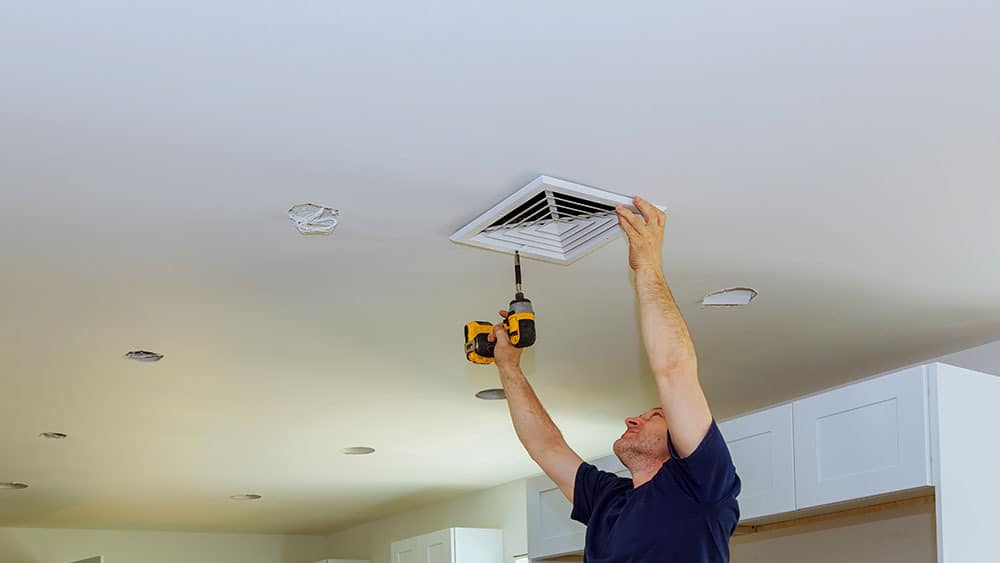
What Are the Signs of Inadequate Home Air Flow?
Indications of inadequate home ventilation include persistent smells, increased humidity levels, condensation on home windows, visible mold development, and a basic sensation of stodginess. These indications typically suggest that air flow wants for preserving a healthy interior atmosphere.
Exactly How Can I Enhance Air Flow in Older Residences?
To enhance ventilation in older homes, one might think about installing exhaust fans, utilizing natural airflow with windows, securing spaces read this article for much better air control, and integrating air purifiers to enhance indoor air high quality successfully.
Are Do It Yourself Ventilation Solutions Effective and Safe?
Smart ventilation, energy healing ventilators, and progressed purification are reshaping just how air quality is taken care of. As energy performance ends up being a critical focus in modern-day home style, progressed ventilation systems provide innovative functions that greatly lower energy consumption. By incorporating ERVs right into home air flow systems, homeowners can attain greater energy performance, allowing a lasting approach to interior air monitoring while benefiting from reduced power costs. The combination of these devices into ventilation systems enables for a much more receptive and efficient administration method, minimizing power consumption while maintaining optimal air high quality. While lots of home owners look for convenience and efficiency, incorporating air flow systems with smart home modern technology offers a cutting-edge service to taking care of interior air quality.